
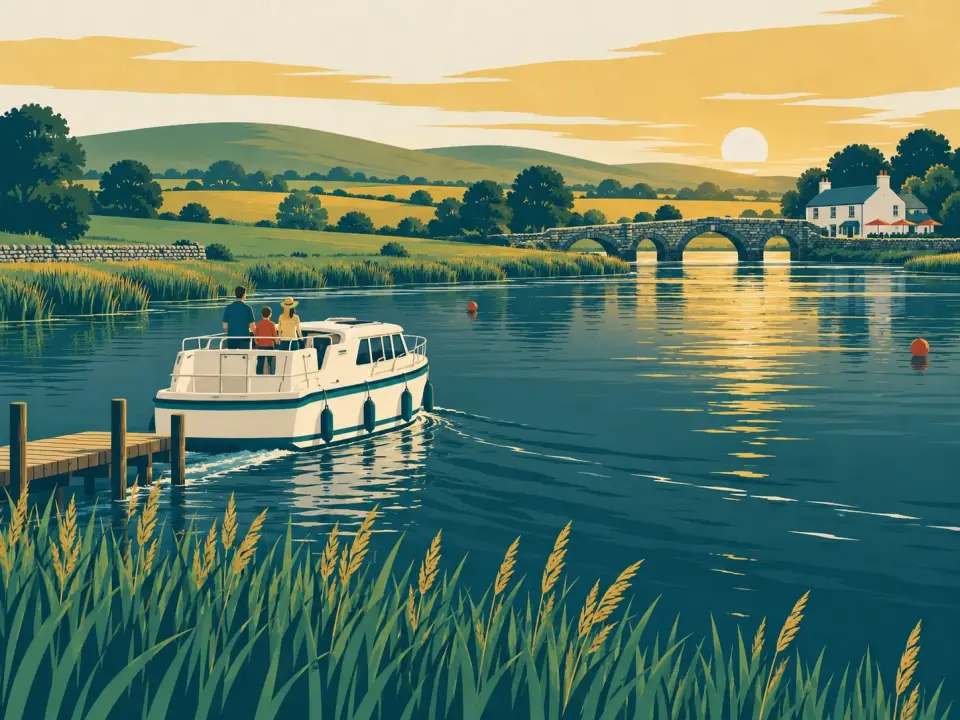
Your first trip on the water
What a first boating holiday on Ireland's lakes, rivers and canals is really like, from the handover to the last morning, and the few rules that matter.
For first-timers and old hands
What a first-timer needs before casting off: locks, mooring, the navigation marks, safety, the Smart Card, the weather and a boating glossary.
Looking for something?
Search every guide topic, stop, harbour, lock and itinerary.
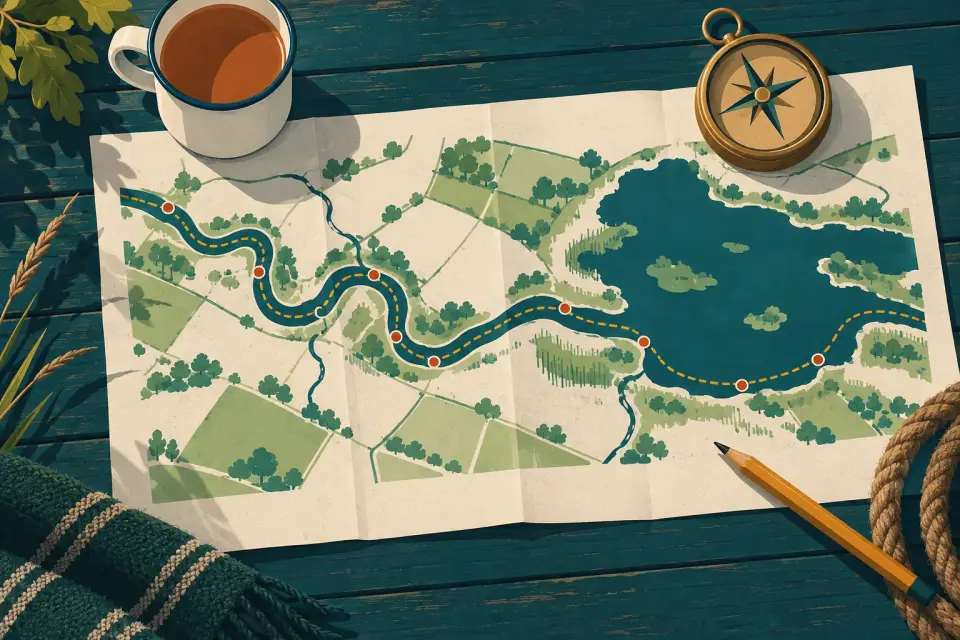
Five things every crew should know before casting off. Each step links to the full topic.
You do not need a boat licence to hire a cruiser in Ireland. The base gives every crew a briefing and a trial run, and the day on the water ends before dark.
Read: Your first trip on the waterOn the Shannon, going upstream, keep red marks on your left and green marks on your right; going downstream, the other way round. Never cut the corner between two marks.
Read: Navigation marksLifejackets on, engine in neutral, and take the ropes in or let them out as the water moves. Shannon locks close for lunch from 13:00 to 14:00.
Read: LocksPublic harbours are first come, first served; on the Shannon you may stay at the same one for at most five days in a row. Private marinas need a call first, and our map shows which is which.
Read: MooringLough Derg, Lough Ree and Lower Lough Erne can turn rough within an hour. When the wind is strong, stay in harbour: your hire company’s word always comes first.
Read: Weather and water levelsIn the order we would read them before a first trip.
What a first boating holiday on Ireland's lakes, rivers and canals is really like, from the handover to the last morning, and the few rules that matter.
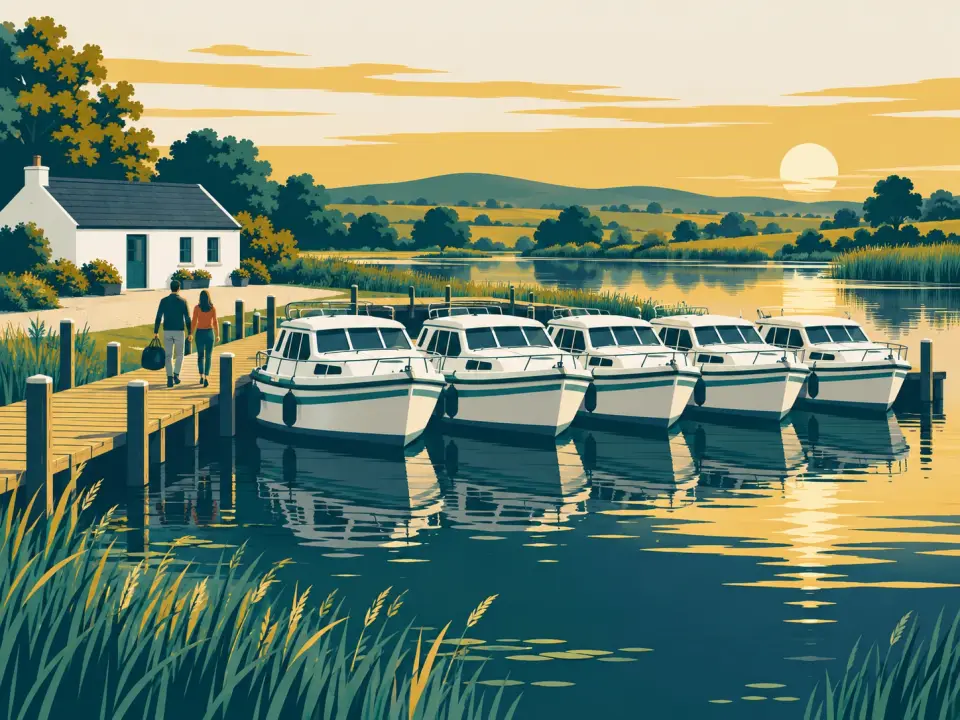
Who hires out cruisers and barges on Ireland's inland waterways, how to choose a base, and what to check in the contract before you book.
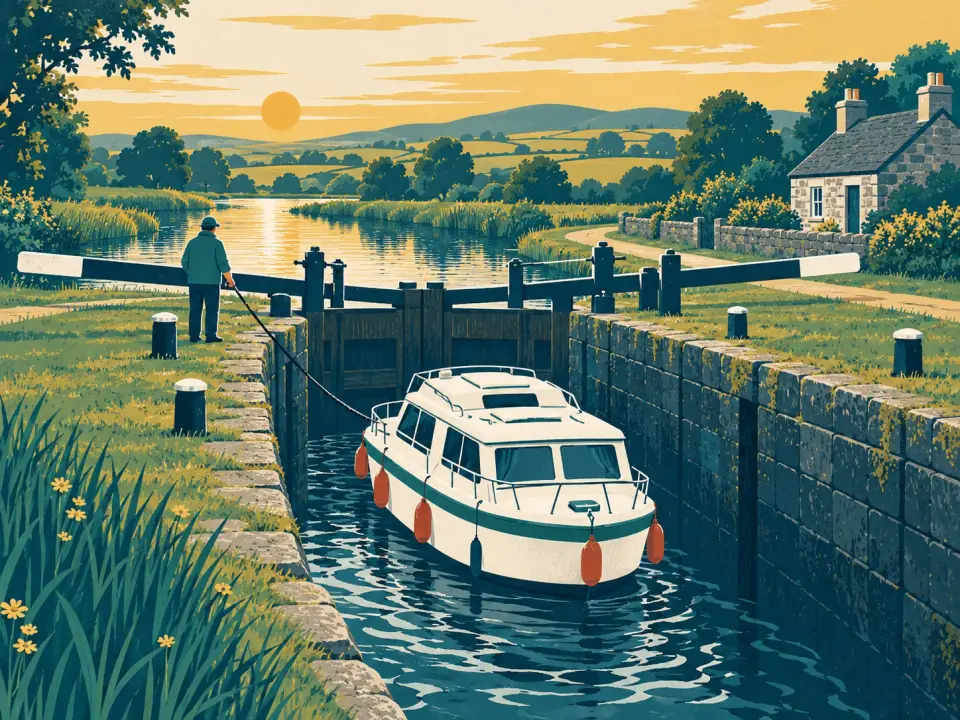
How Shannon locks, Shannon–Erne Smart Card locks and hand-worked canal locks work, their hours and costs, and how to get through calmly.
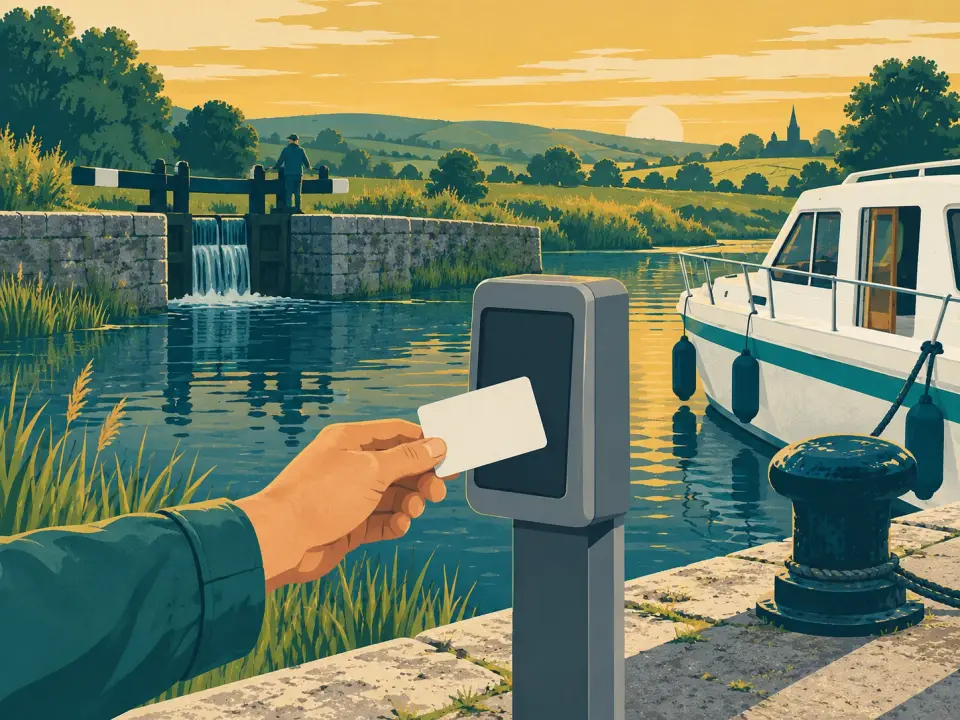
What the Waterways Ireland Smart Card pays for, how many units each service costs, where to buy one, and how to make it last.
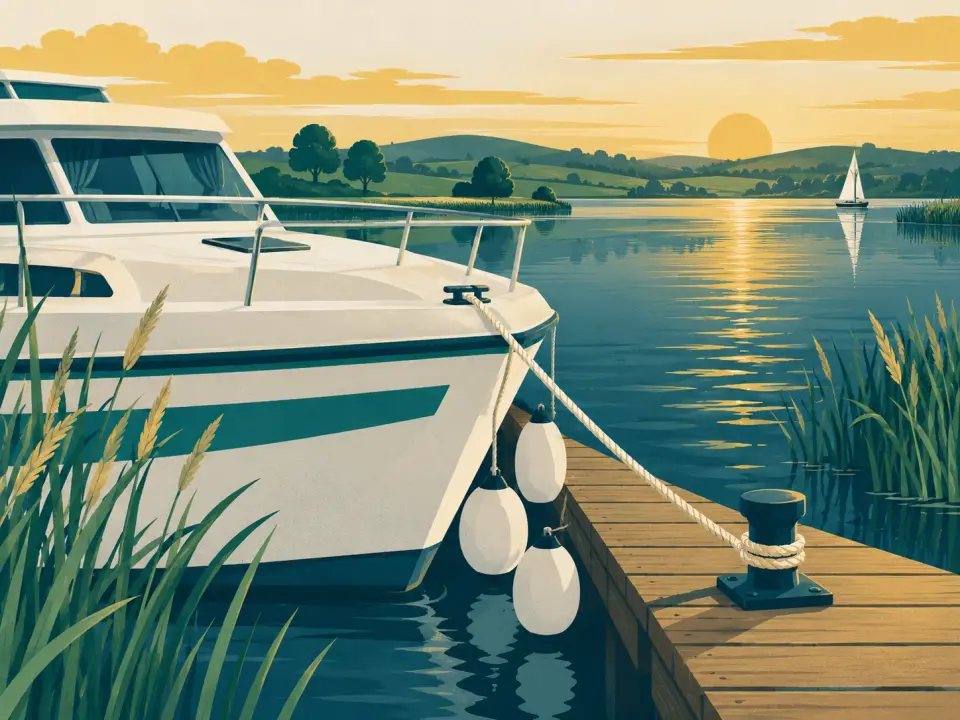
Where you may tie up, for how long on each waterway, what public, private and club moorings mean, and how to come alongside without drama.
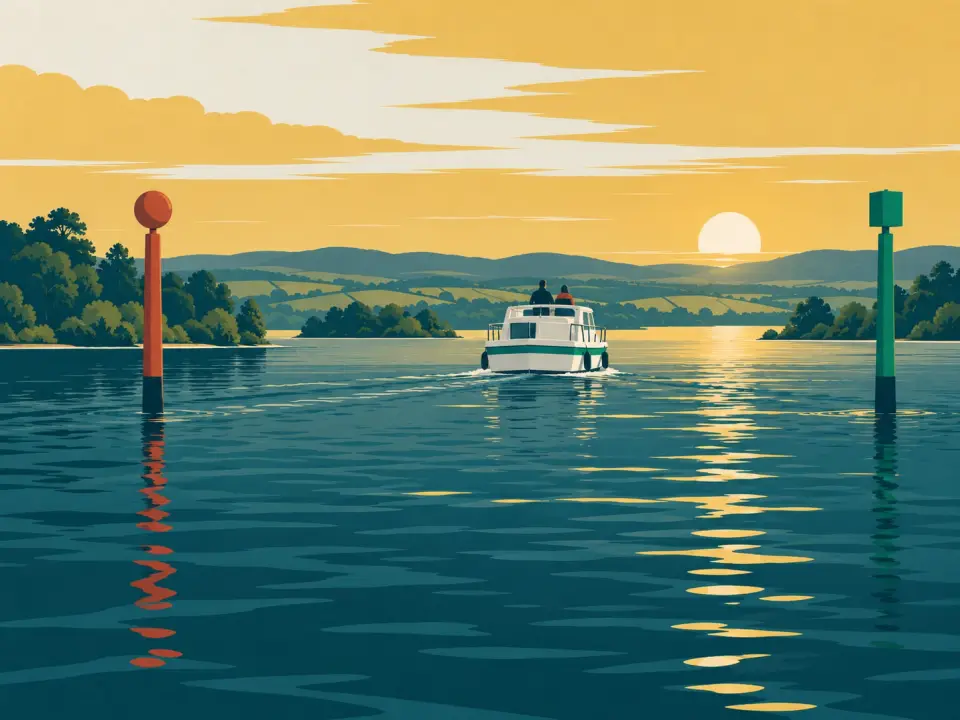
How to read the red and green marks on the Shannon, the white-sided marks on Lough Erne, the canals' lack of them, and the other signs you will meet on the water.
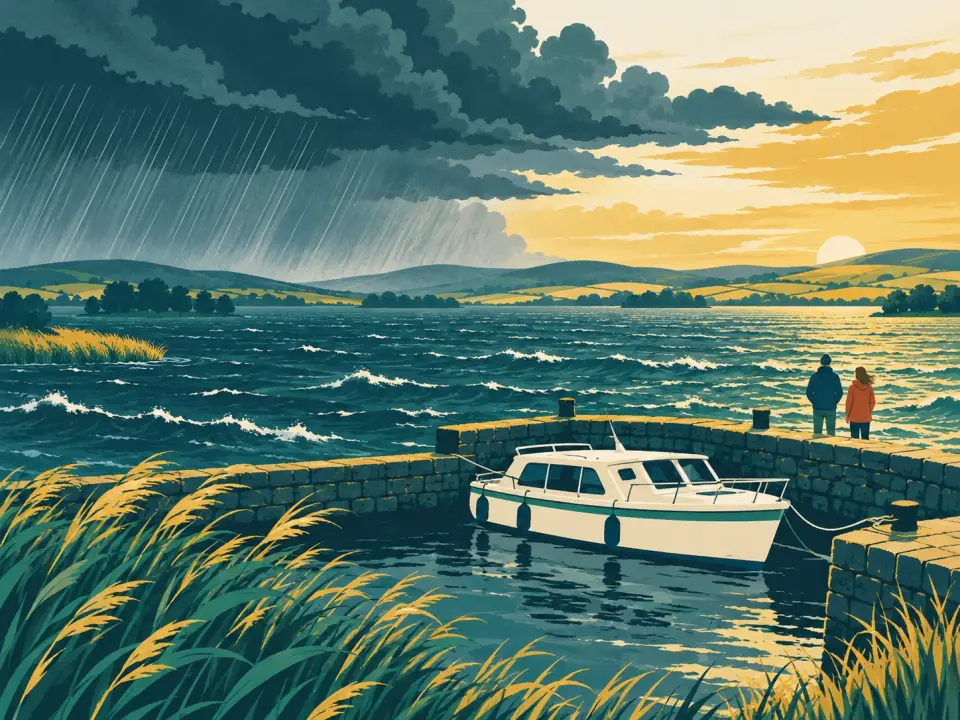
Where to get forecasts and warnings for Ireland's lakes and rivers, how wind changes a lake, what the water level means for you, and when to stay put.
Emergency numbers, lifejacket law, the hazards that catch boaters out on Irish lakes, rivers and canals, and the rescue services on the waterways.
Rafting up, wash, shared jetties, service points, rowers and anglers, wildlife and rubbish: the unwritten rules that make boaters welcome everywhere.
Where you can swim on Ireland's inland waterways, where you must not, and how to swim safely from a boat or a lakeshore.
Licences and permits for coarse, pike and trout fishing on the Shannon, the Erne and the canals, catch limits, and how to fish safely from a cruiser.
About 80 words you will hear on Ireland's waterways, with a short explanation and the German, French and Dutch equivalents.
Thinking of buying your own? Which boat suits which water, what to check before you buy, and how to keep the engine running.
Where to look, what to check, the survey and paperwork, registration and permits, insurance, a winter berth, and buying in Northern Ireland or Great Britain.
Kayaks and canoes, small and fishing boats, RIBs, cruisers and narrowboats: what suits the canals, the rivers and the big lakes, with the size and headroom limits of every waterway.
How much engine you need inland and what the rules allow, checking a used outboard, servicing and laying up, and where to find fuel, parts and repairs.
Our marketplace No boat yet? Boats for sale
In an emergency
Call 112 or 999 and ask for the Coast Guard. Both numbers work in Ireland and in Northern Ireland.
Safety on the water